That Fresh Rain Smell? You're Actually Sniffing Bacteria
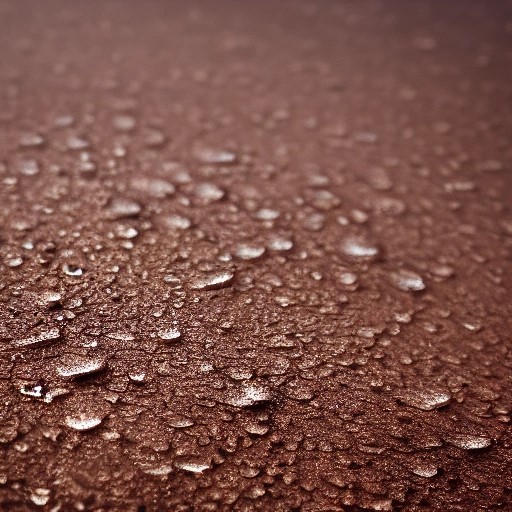
That cozy, earthy perfume that fills the air after the first rain on dry soil — the smell that practically makes you stop mid-stride and breathe deeply — has a proper scientific name: petrichor. Researchers coined it in 1964, combining the Greek words for "stone" and the fluid that supposedly flows through the veins of gods. Very poetic for something your feet are walking on.
Here's the twist: the main ingredient isn't rain at all. It's bacteria. A group called Streptomyces live quietly in soil and release a compound called geosmin when conditions shift. Your nose detects geosmin at concentrations as low as five parts per trillion — roughly equivalent to smelling one drop dissolved in an Olympic swimming pool. For context, sharks detecting blood in water are amateurs by comparison.
Scientists think this extreme sensitivity evolved for a practical reason: geosmin signals wet, fertile soil — exactly the kind of place ancient humans needed to find. So that wave of calm and nostalgia you feel when it starts raining might literally be millions of years of instinct whispering "this is where the good stuff grows."
Rain itself plays a supporting role too. When drops strike dry earth, they trap tiny air bubbles that burst upward like miniature geysers, carrying the earthy scent into the air. Every rainstorm is basically a billion tiny aroma volcanoes going off at once. Nature is so dramatic.
More from Weird Facts

Weird Facts
Crows Hold Grudges and Never Forget Your Face
Scientists proved that crows remember individual human faces for years ? and will recruit crow friends to help seek revenge on anyone who wronged them.
Weird Facts
Crows Hold Grudges and Gossip About You to Their Friends
Scientists confirmed crows recognize individual human faces, remember them for years, and warn other crows ? who've never met you ? that you're trouble.

Weird Facts
Meet the Tardigrade: The Toughest Critter in the Known Universe
Tardigrades are microscopic eight-legged animals that have survived all five of Earth's mass extinction events ? and in 2007, a batch were sent to outer space unprotected. They were fine.
Weird Facts
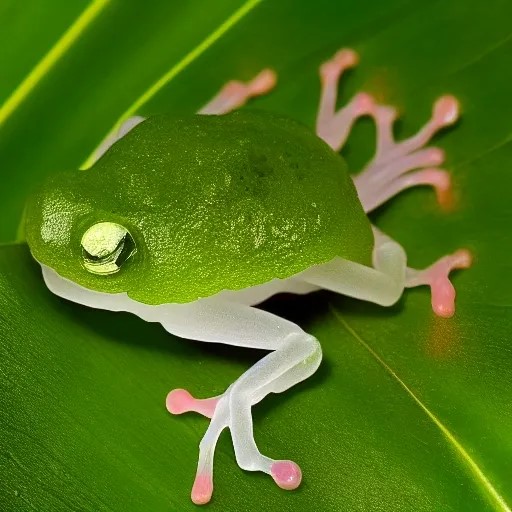
Glass Frogs Hide Their Blood to Become Nearly Invisible
The glass frog has transparent skin that reveals its beating heart, but when it naps, it stashes 89% of its red blood cells inside its liver and practically vanishes.