
Weird Facts
Starfish Have No Blood ? They Run on Seawater
Forget plasma and red blood cells ? the starfish ditched blood entirely millions of years ago and decided seawater was perfectly fine, thank you very much.
Home Weird Facts
True-ish trivia that lives rent-free in your head.
Weird Facts
Forget plasma and red blood cells ? the starfish ditched blood entirely millions of years ago and decided seawater was perfectly fine, thank you very much.
Weird Facts
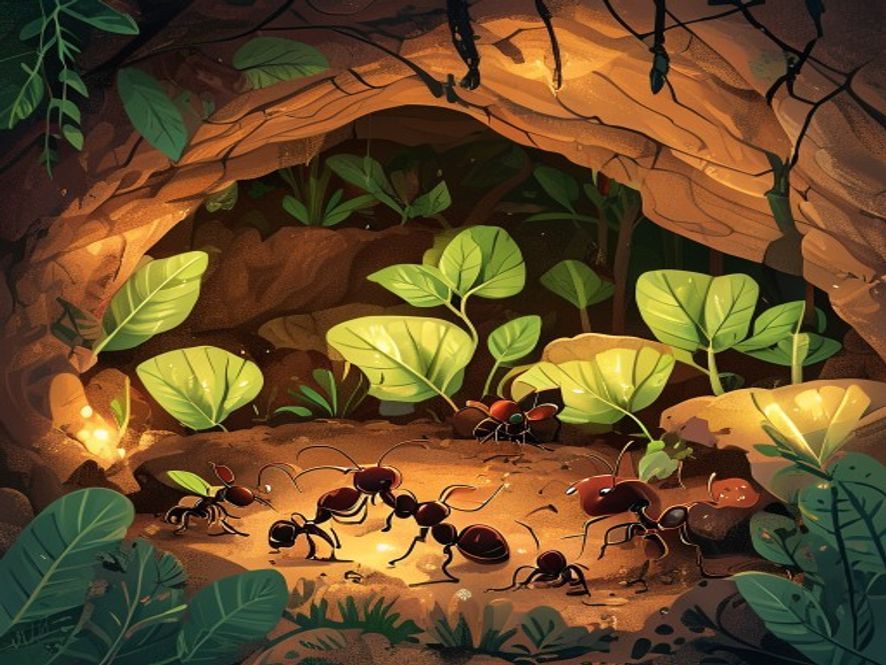
Long before humans picked up a plow, leafcutter ants were already cultivating underground fungal gardens ? making them the world's original farmers by roughly 59,988,000 years.
Weird Facts
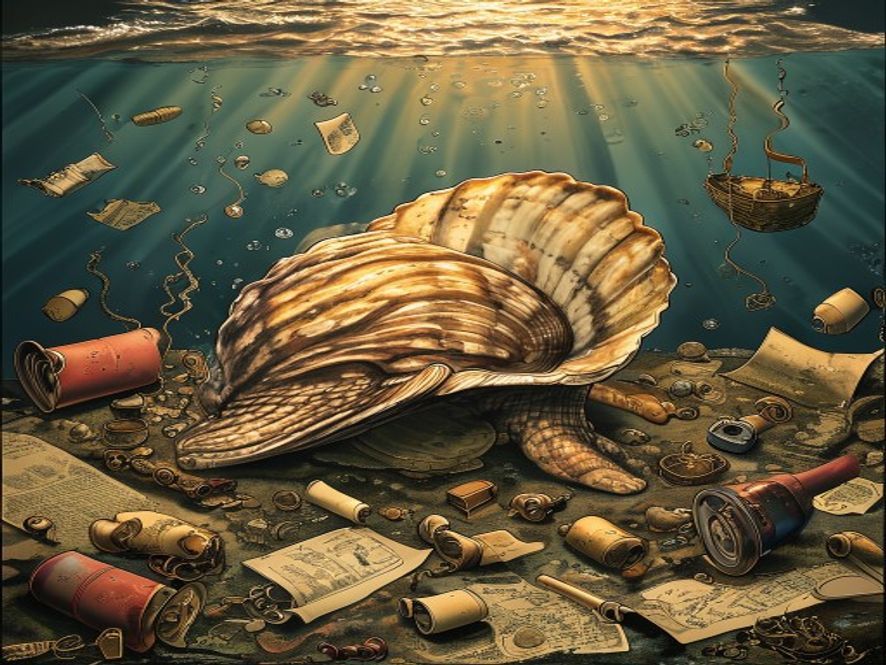
Researchers pulled a 507-year-old ocean clam from the North Atlantic near Iceland ? then accidentally killed it trying to figure out how old it was.
Weird Facts
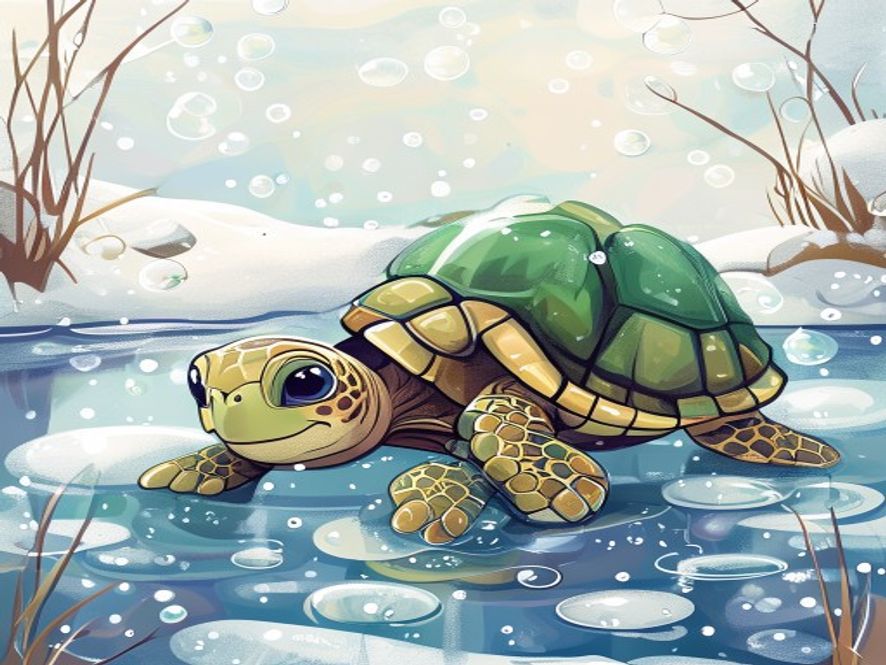
Painted turtles spend months frozen under ice without using their lungs at all ? they absorb just enough oxygen through a region near their tail to stay alive until spring.

Weird Facts
Scientists discovered that rats emit high-pitched giggles when tickled ? sounds too squeaky for human ears to catch, but very real and surprisingly contagious among the rats themselves.

Weird Facts
Koalas evolved fingerprints almost identical to human ones completely independently ? and yes, scientists are mildly concerned about crime scene contamination.

Weird Facts
When a pistol shrimp snaps its claw shut, it briefly generates a flash of plasma hotter than the surface of the sun ? and the whole dazzling show lasts less than a millisecond.

Weird Facts
The wombat is the only known animal on Earth that produces perfectly cube-shaped droppings ? and scientists spent years puzzling over exactly how their bodies pull it off.

Weird Facts
The common wombat ? Australia's chunky, barrel-shaped marsupial ? is the sole creature on Earth that produces cube-shaped droppings, and scientists only recently figured out the delightfully weird reason why.
Weird Facts
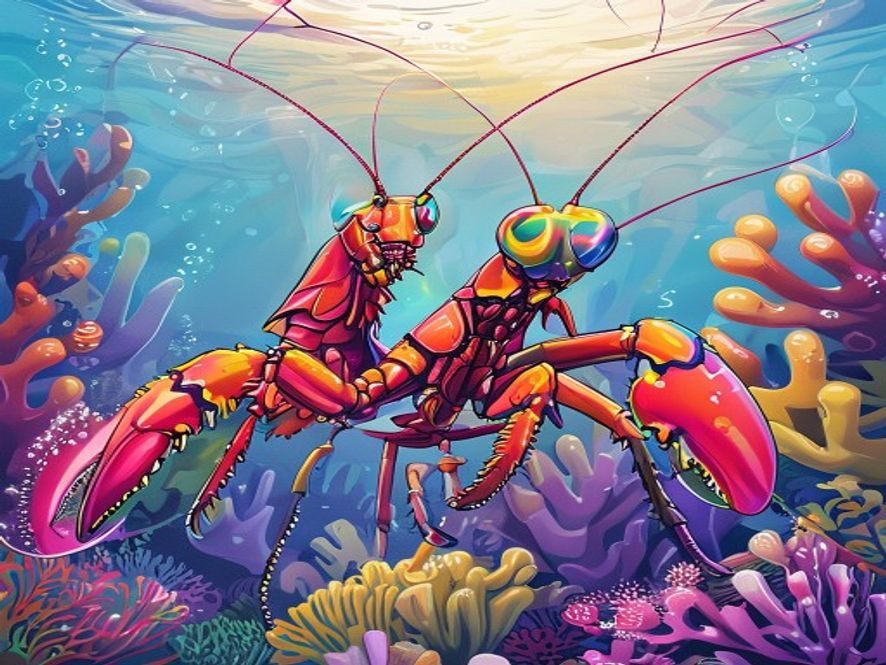
The mantis shrimp has 16 types of color receptors ? over five times more than humans ? yet scientists found it's actually worse at distinguishing similar colors than we are.