Honey Never Expires (And We Mean Never)

When archaeologists discovered sealed jars of honey inside ancient Egyptian tombs, they expected to find, well, ancient goop. What they got instead was something perfectly edible after more than 3,000 years. That's not a typo. Three thousand years. Your leftovers can't even survive the weekend.
The secret behind honey's remarkable shelf life is a perfect storm of chemistry. Honey is incredibly low in moisture, which means bacteria and mold can't thrive ? there's simply no water for them to party in. On top of that, bees add an enzyme that produces small amounts of hydrogen peroxide as they process nectar. The result is a food that's both deeply sweet and quietly hostile to anything that might want to spoil it.
There's also the matter of pH. Honey sits at a pretty acidic level between 3.2 and 4.5, which is another unwelcoming environment for microbes. Combine low moisture, natural antiseptics, and high acidity, and you've got a food that essentially refuses to give up.
So the next time you find a dusty jar of honey at the back of your cupboard and wonder if it's still good ? it almost certainly is. Just give it a gentle warm-water bath if it's crystallized, and you're back in business. The bees have already done all the preservation work for you, thousands of years ahead of schedule.
More from Weird Facts

Weird Facts
Polar Bears Are Not Actually White — They're Transparent
Polar bear fur isn't white at all — every single hair is colorless and hollow, like a tiny fiber optic cable, and the skin underneath is completely black.

Weird Facts
T-Rex Never Met a Stegosaurus ? They Missed Each Other by 80 Million Years
The Stegosaurus went extinct roughly 83 million years before T-Rex even existed, making those two famous dinosaurs more separated in time than T-Rex and you.
Weird Facts
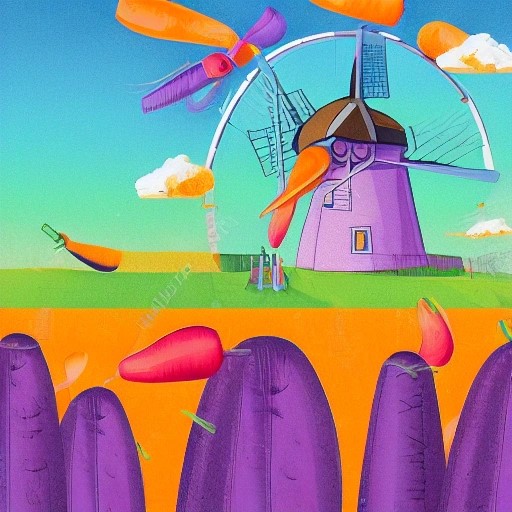
Carrots Were Purple Until the Dutch Got Involved
The humble orange carrot you crunch on today is a 17th-century marketing decision ? wild carrots were originally purple, white, and yellow, until Dutch growers changed the palette permanently.

Weird Facts
A Blue Whale's Heart Is the Size of a Small Car
The largest heart on Earth weighs as much as a motorcycle, pumps just twice per minute during deep dives, and its aorta is wide enough for a small child to crawl through.