Male Seahorses Are the Ones Who Get Pregnant
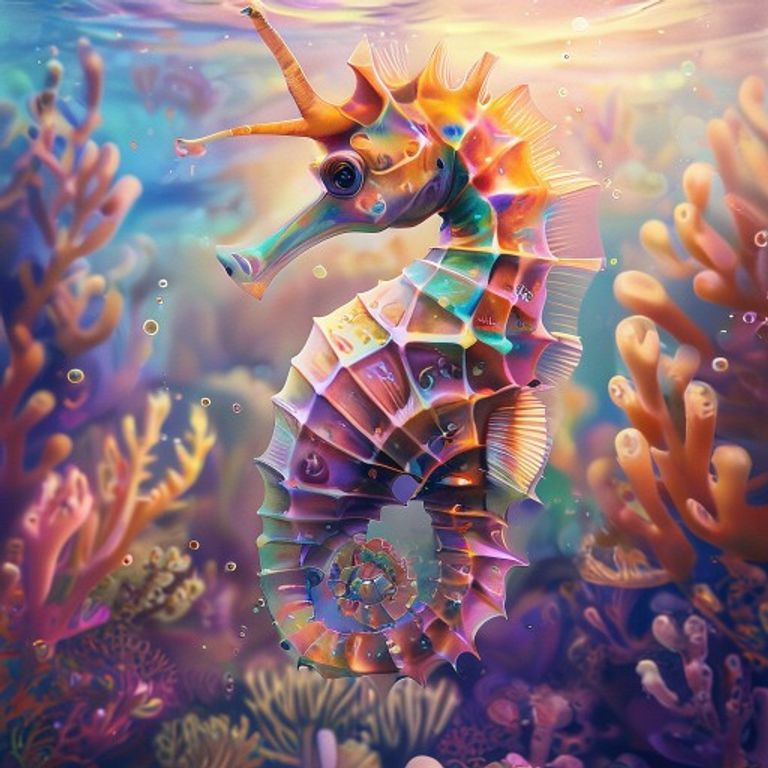
In the seahorse world, the traditional rulebook got tossed overboard. When a pair of seahorses decides to start a family, the female deposits her eggs directly into a special pouch on the male's belly. From that point on, dad handles everything ? incubating the eggs, regulating their salt levels, and even providing nutrients through a fluid not entirely unlike mammalian pregnancy.
The male seahorse carries the developing eggs for anywhere from 10 to 25 days, depending on the species. When labor begins, he pumps his body rhythmically for hours until tiny, fully-formed miniature seahorses ? called fry ? are launched into the water. He can deliver anywhere from a few dozen to over a thousand babies in a single birth.
Why does this happen? Scientists believe it comes down to reproductive efficiency. The female can start producing the next batch of eggs almost immediately, while the male handles gestation. It is nature's version of a division of labor, except only one party got the truly difficult end of the deal.
Seahorses also mate for life and greet each other every morning by intertwining their tails and doing a little synchronized dance. Which means the same guy who just gave birth is out there the next day, dancing with his partner, already thinking about round two.
More from Weird Facts

Weird Facts
Humans Glow in the Dark, Just Too Faintly to See
Your body is emitting real visible-spectrum photons right now ? not heat, actual light ? but detecting it requires a camera sensitive enough to spot a candle from 10 miles away.

Weird Facts
Polar Bears Are Not Actually White — They're Transparent
Polar bear fur isn't white at all — every single hair is colorless and hollow, like a tiny fiber optic cable, and the skin underneath is completely black.
Weird Facts
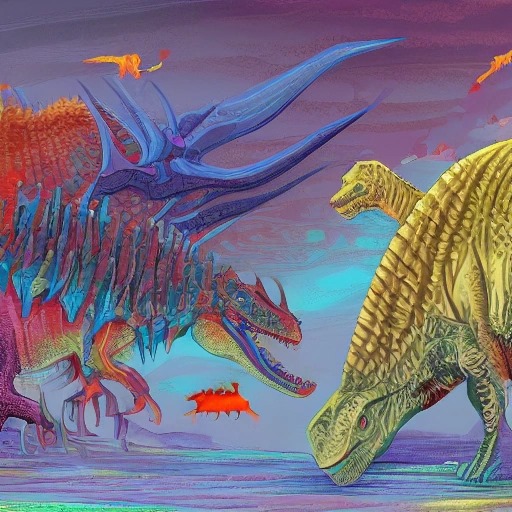
T-Rex Never Met a Stegosaurus ? They Missed Each Other by 80 Million Years
The Stegosaurus went extinct roughly 83 million years before T-Rex even existed, making those two famous dinosaurs more separated in time than T-Rex and you.

Weird Facts
Honey Never Expires (And We Mean Never)
Archaeologists cracking open ancient Egyptian tombs have found 3,000-year-old honey still perfectly edible ? turns out honey is basically the immortal snack of the food world.