The Only Animal That Poops in Perfect Cubes
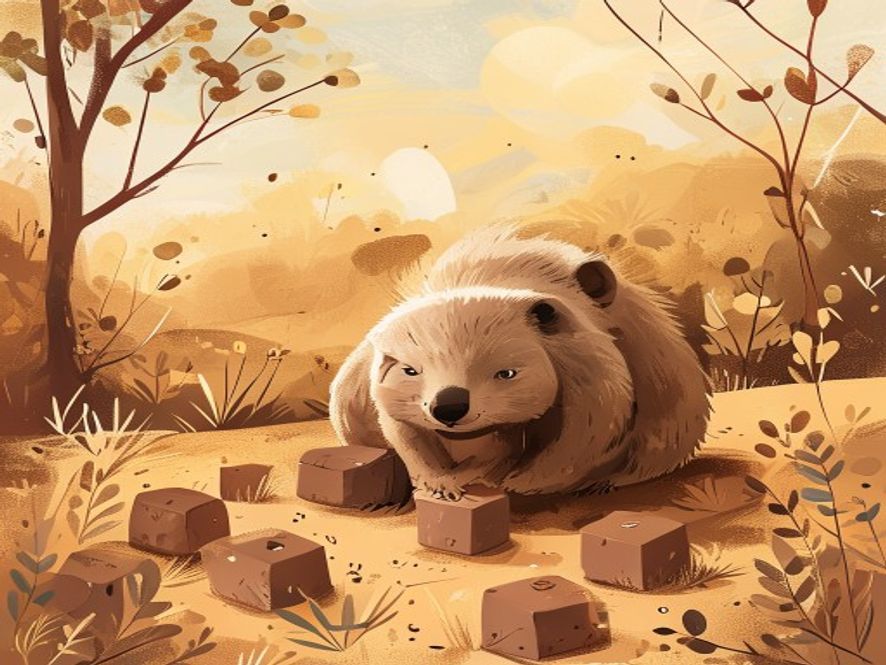
Most animals produce round or oblong droppings, shaped by simple physics. But wombats march to the beat of their own digestive drum - cranking out up to 100 perfectly cube-shaped pellets every single night. No molds. No machinery. Just baffling, glorious biology.
For years, scientists were genuinely stumped. Cubes don't exactly occur naturally in the soft-tissue department. Then researchers discovered that the final section of a wombat's large intestine has uneven elasticity - some sections stretch far more than others - which gradually squishes waste into tidy little blocks as it travels through.
Why cubes, though? The leading theory is territory marking. Wombats are serious about staking their claim, and flat-sided cubes stay put on logs and rocks far better than round pellets that might roll away. A well-placed cube dropping is essentially a tiny, odorous Keep Out sign. Effective, if a little unconventional.
The kicker? Engineers and scientists are now studying this mechanism to improve manufacturing processes - because if a wombat can produce perfectly cube-shaped objects using only its own intestines, nature might just be the world's most underrated industrial designer.
More from Weird Facts

Weird Facts
Polar Bears Are Not Actually White — They're Transparent
Polar bear fur isn't white at all — every single hair is colorless and hollow, like a tiny fiber optic cable, and the skin underneath is completely black.
Weird Facts
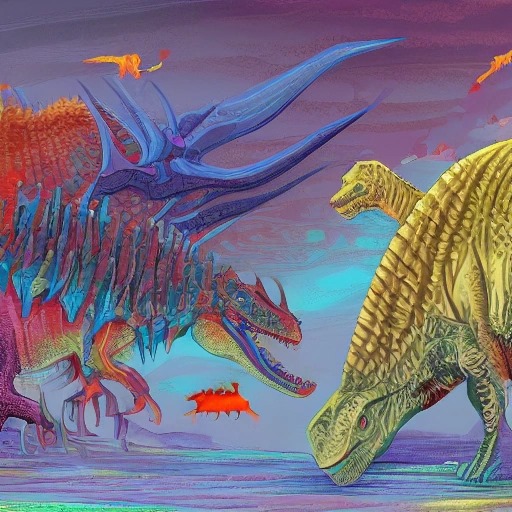
T-Rex Never Met a Stegosaurus ? They Missed Each Other by 80 Million Years
The Stegosaurus went extinct roughly 83 million years before T-Rex even existed, making those two famous dinosaurs more separated in time than T-Rex and you.

Weird Facts
Honey Never Expires (And We Mean Never)
Archaeologists cracking open ancient Egyptian tombs have found 3,000-year-old honey still perfectly edible ? turns out honey is basically the immortal snack of the food world.
Weird Facts
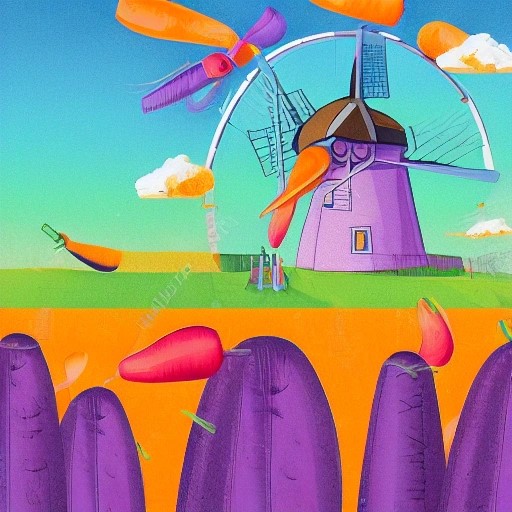
Carrots Were Purple Until the Dutch Got Involved
The humble orange carrot you crunch on today is a 17th-century marketing decision ? wild carrots were originally purple, white, and yellow, until Dutch growers changed the palette permanently.