Wombats Make Cube Poop and Science Is Here for It
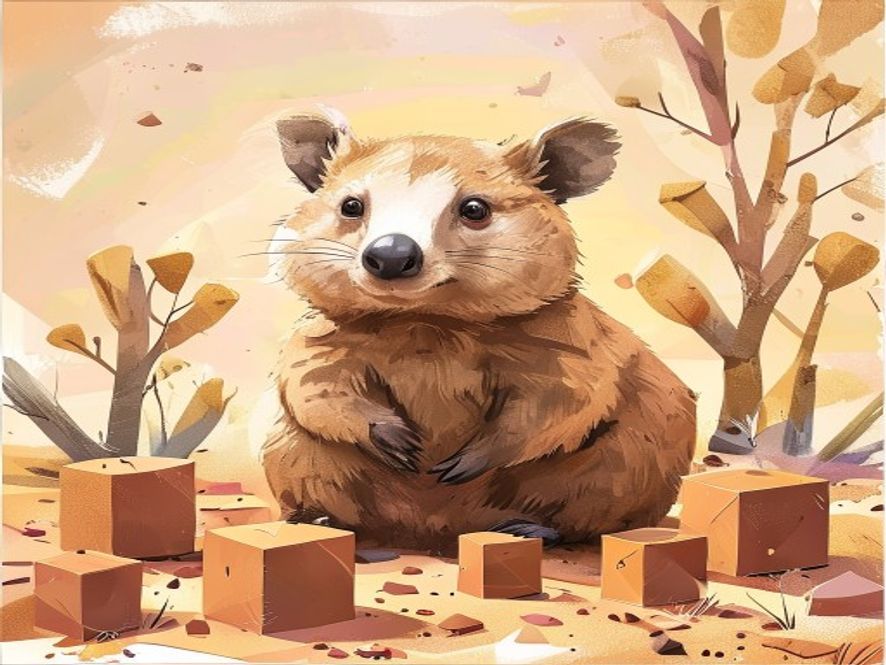
Deep in the Australian bush, the humble wombat is quietly pulling off one of nature's most improbable engineering feats: producing cube-shaped poop. Not roughly square. Not rectangular. Actual cubes. Around 80 to 100 of them per night.
For a long time, nobody could figure out how a round digestive tract produces a shape with corners. It turns out wombat intestines have varying elastic properties — some sections stretch more than others — which effectively sculpts the waste into its distinctive boxy form as it moves through. Engineers were genuinely jealous.
In 2019, a team of researchers won an Ig Nobel Prize (the award for science that makes you laugh, then think) for finally cracking the cube mystery. Their findings have since inspired researchers studying soft-matter manufacturing, because nature, apparently, invented the cube mold long before IKEA did.
As for the wombats themselves, the cubes serve a practical purpose: they stack. Wombats use their droppings to mark territory, and flat-sided cubes don't roll away down hills the way round ones would. It is, in every sense, a drop of genius.
More from Weird Facts
Weird Facts
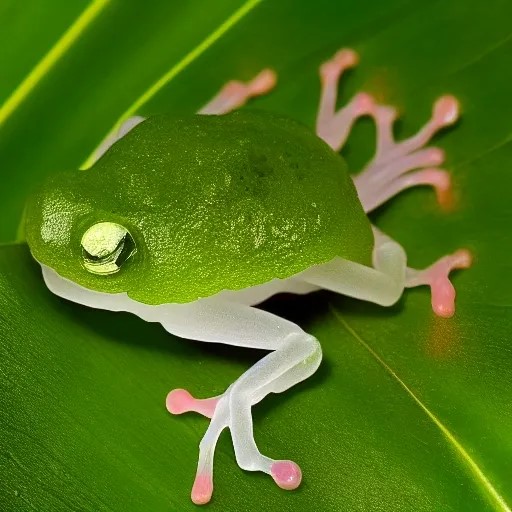
Glass Frogs Hide Their Blood to Become Nearly Invisible
The glass frog has transparent skin that reveals its beating heart, but when it naps, it stashes 89% of its red blood cells inside its liver and practically vanishes.
Weird Facts
Humans Glow in the Dark, Just Too Faintly to See
Your body is emitting real visible-spectrum photons right now ? not heat, actual light ? but detecting it requires a camera sensitive enough to spot a candle from 10 miles away.
Weird Facts
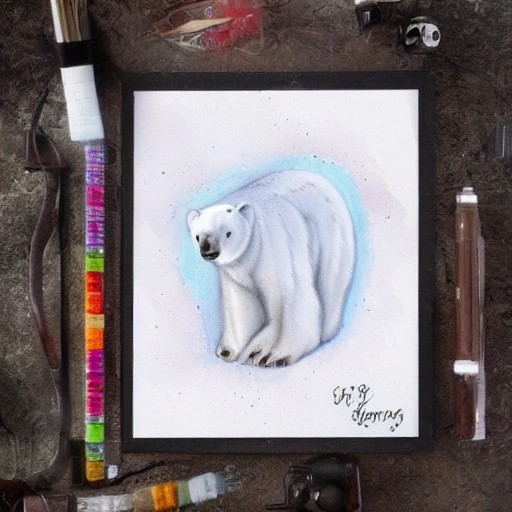
Polar Bears Are Not Actually White — They're Transparent
Polar bear fur isn't white at all — every single hair is colorless and hollow, like a tiny fiber optic cable, and the skin underneath is completely black.
Weird Facts
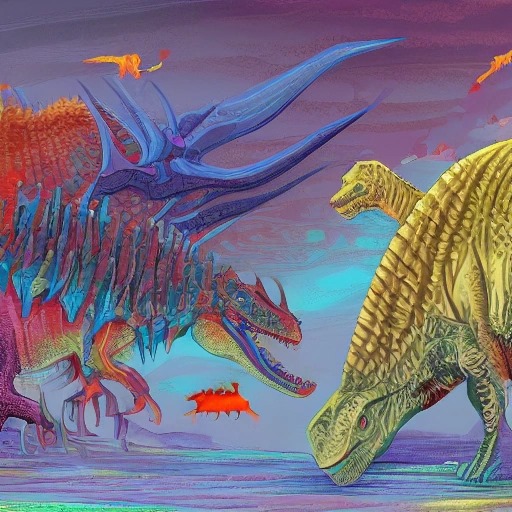
T-Rex Never Met a Stegosaurus ? They Missed Each Other by 80 Million Years
The Stegosaurus went extinct roughly 83 million years before T-Rex even existed, making those two famous dinosaurs more separated in time than T-Rex and you.