Every Night, Hummingbirds Basically Hit the Off Switch
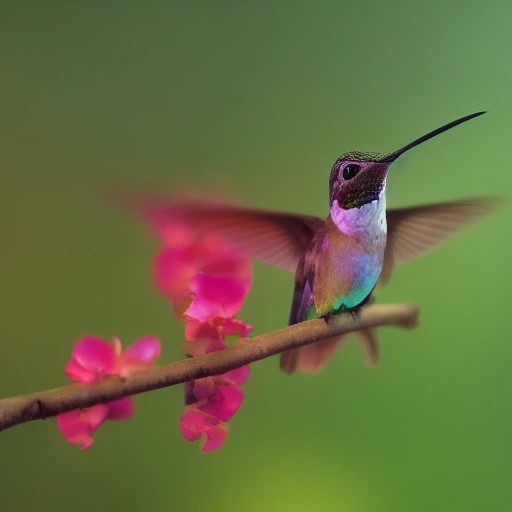
Hummingbirds are famously high-maintenance creatures. Their tiny wings beat up to 80 times per second, their hearts race at over 1,200 beats per minute at full speed, and they need to consume roughly half their body weight in sugar every single day just to keep the engine running. Maintaining all that is genuinely exhausting ? so every night, they simply stop.
Not sleep, exactly. Torpor. It's a state so deep it looks a lot like death from the outside. A hummingbird in torpor drops its heart rate to around 50 beats per minute, its body temperature plummets to near the ambient air temperature, and it becomes almost completely unresponsive. Breathing slows to a barely perceptible trickle. If you found one on a branch like this, you'd be forgiven for assuming the worst.
The whole point is energy conservation. Hummingbirds burn fuel so fast that without this nightly shutdown, they'd exhaust their reserves before dawn. Torpor cuts their energy expenditure by up to 95%, which is the metabolic equivalent of turning off all the lights before leaving for a long weekend.
Every morning, the little bird reboots. Heart rate climbs, temperature rises, and within about 20 minutes it's back to the same frantic, nectar-drunk lifestyle as before. The bird equivalent of a forced restart ? and somehow it always works.
More from Weird Facts

Weird Facts
Polar Bears Are Not Actually White — They're Transparent
Polar bear fur isn't white at all — every single hair is colorless and hollow, like a tiny fiber optic cable, and the skin underneath is completely black.
Weird Facts
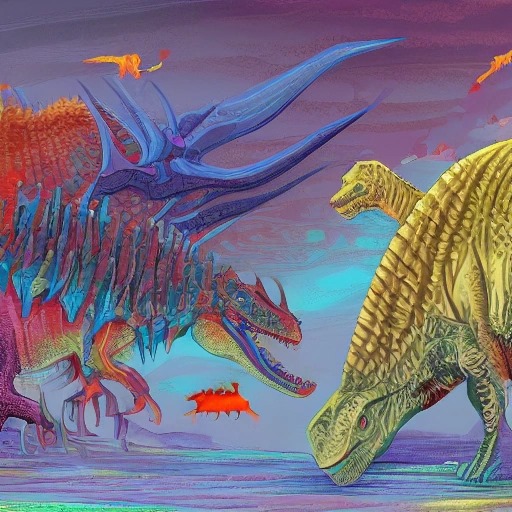
T-Rex Never Met a Stegosaurus ? They Missed Each Other by 80 Million Years
The Stegosaurus went extinct roughly 83 million years before T-Rex even existed, making those two famous dinosaurs more separated in time than T-Rex and you.

Weird Facts
Honey Never Expires (And We Mean Never)
Archaeologists cracking open ancient Egyptian tombs have found 3,000-year-old honey still perfectly edible ? turns out honey is basically the immortal snack of the food world.
Weird Facts
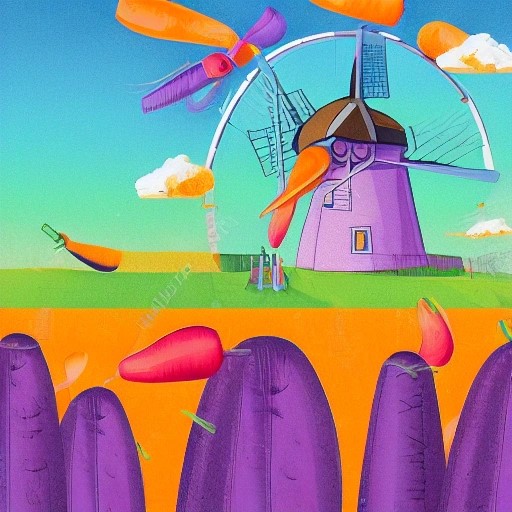
Carrots Were Purple Until the Dutch Got Involved
The humble orange carrot you crunch on today is a 17th-century marketing decision ? wild carrots were originally purple, white, and yellow, until Dutch growers changed the palette permanently.