Wombats Poop in Cubes and Science Finally Knows Why

If you've ever wondered whether nature has a sense of humor, consider the wombat. This stocky Australian marsupial is the only animal in the world known to produce cube-shaped feces. Not slightly rectangular. Not vaguely boxy. Actual cubes. Up to 100 of them per night.
For years, scientists were genuinely baffled. Most animals have round digestive tracts, which means round output. The cube thing seemed to break all the rules of basic plumbing. Researchers at Georgia Tech decided to investigate — because of course someone had to — and what they found was surprisingly elegant.
It turns out the secret is in the elasticity of the wombat's intestinal walls. Unlike ours, which are uniformly stretchy, the wombat's intestine has two stiff grooves that alternate with softer sections. As waste travels through, these varying zones mold the material into a cube shape over the course of about two weeks. No molds, no machinery — just clever biology.
As for why? Wombats use their droppings to communicate and mark territory, and cubes don't roll away. Stacking perfectly on rocks and logs, they stay put as little aromatic calling cards. Nature, it turns out, invented the packing cube long before anyone thought to sell it on infomercials.
More from Weird Facts

Weird Facts
Humans Glow in the Dark, Just Too Faintly to See
Your body is emitting real visible-spectrum photons right now ? not heat, actual light ? but detecting it requires a camera sensitive enough to spot a candle from 10 miles away.

Weird Facts
Polar Bears Are Not Actually White — They're Transparent
Polar bear fur isn't white at all — every single hair is colorless and hollow, like a tiny fiber optic cable, and the skin underneath is completely black.
Weird Facts
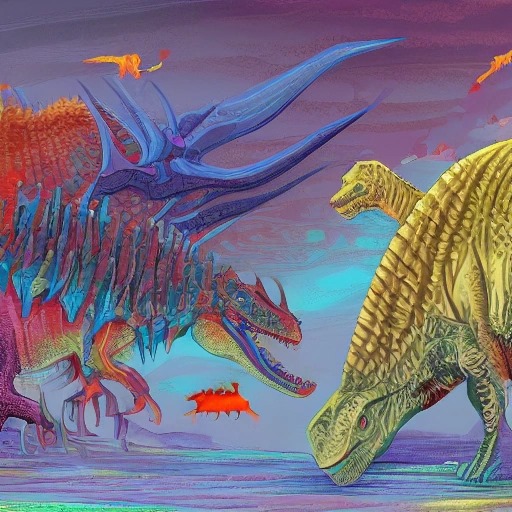
T-Rex Never Met a Stegosaurus ? They Missed Each Other by 80 Million Years
The Stegosaurus went extinct roughly 83 million years before T-Rex even existed, making those two famous dinosaurs more separated in time than T-Rex and you.

Weird Facts
Honey Never Expires (And We Mean Never)
Archaeologists cracking open ancient Egyptian tombs have found 3,000-year-old honey still perfectly edible ? turns out honey is basically the immortal snack of the food world.